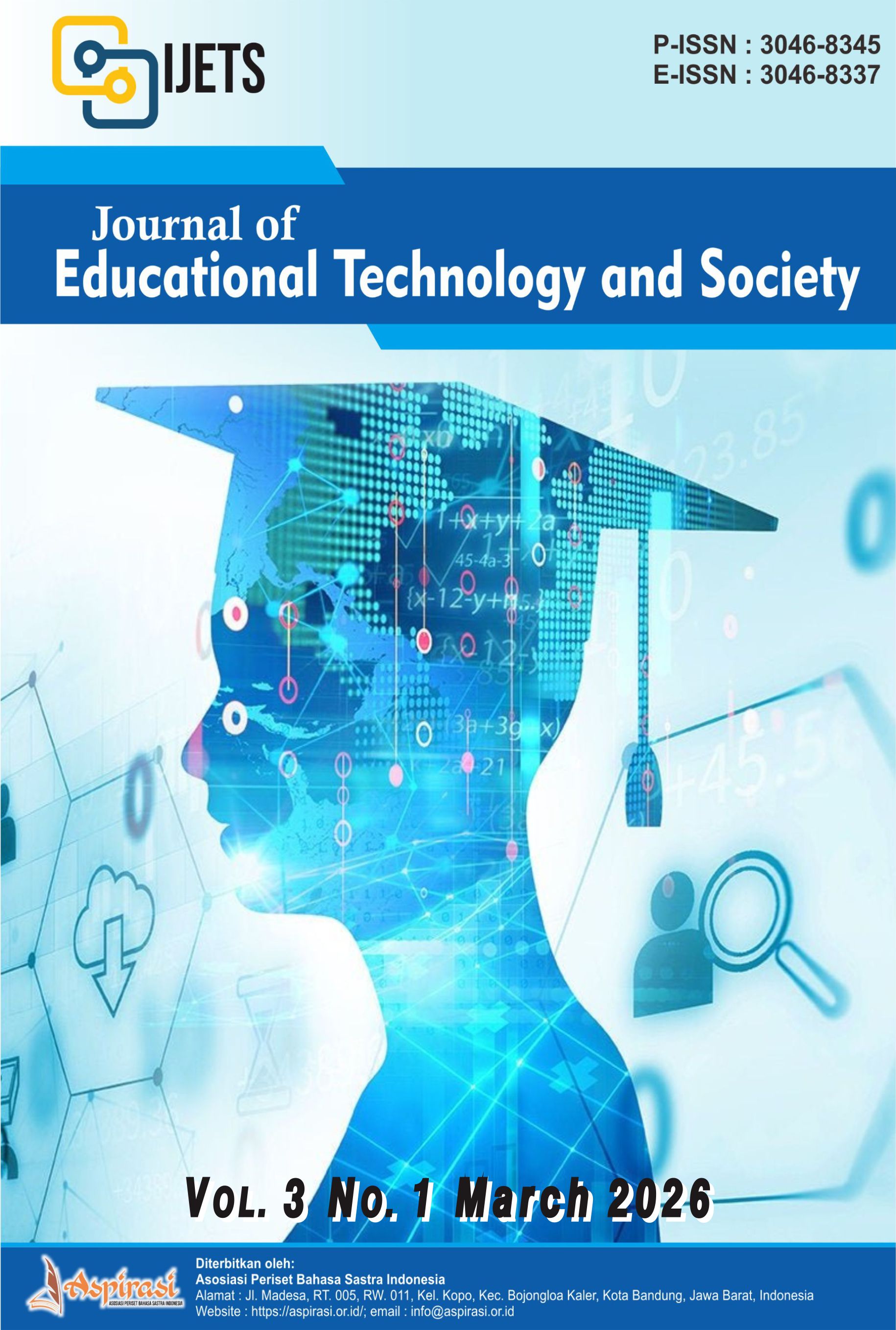
The Integration of AI Technology in Implementation Inde-pendent Curriculum
DOI:
https://doi.org/10.61132/ijets.v3i2.480Keywords:
Artificial Intelligence, Curriculum, Digital, Educational, TechnologyAbstract
Artificial Intelligence (AI) or commonly known as intelligence artificial is something that allows the machine to can do working that can done by humans . In the development of digital technology, AI brings major influence on the sector education . Where AI makes the learning process take place more adaptively , individually, and efficiently so that support transformation education in the digital era. This research aims For study AI concepts in context education , analyzing its suitability with the characteristics of the Independent Curriculum, as well as identify various Benefits and challenges in applying AI to the learning process . The method used was library research , which examined several scientific articles relevant to the research topic . The data was analyzed . For get description about AI integration in the implementation of the Independent Curriculum. Study results shows that AI has important role in supporting personal learning , technology-based assessment , development of teaching materials, and improvement effectiveness of the teaching and learning process. In addition, AI contributes to improving competence teacher pedagogy , digital literacy , creativity , and critical thinking skills student. However , the implementation of AI is still face various challenges , including limited technological infrastructure, digital access gap, low educator technology literacy , as well as issue ethics and data privacy . Therefore , it is necessary improvement digital competency , infra-structure support, and clear regulations so that the integration of AI in the Independent Curriculum can run optimally and sustainably in improving quality education in Indonesia.
References
Acep, L., Cadudasa, A., Danawe, P. K., & Tuty. (2025). Analysis of the use of artificial intelligence (AI) in education to support teachers and students. Dhammavicaya Journal, 71–85.
Adlini, D., Dinda, Yulinda, & Chotimah. (2022). Qualitative research methods: Literature review. Jurnal Edumaspul, 6(1), 974–980. https://doi.org/10.33487/edumaspul.v6i1.3394
Devi, E. N., & Subiyantoro, S. (2026). Utilization of artificial intelligence technology in curriculum development. KARTIKA: Journal of Islamic Studies, 1568–1586.
Fadli, M. (2021). Understanding qualitative research method design. Scientific Review of General Courses, 33–54.
Harjun, Lewa, J., Syata, W. M., & Wardamianingsih, W. S. (2026). Transformation of artificial intelligence education curriculum in the era of Society 5.0. Journal of Education and Social Sciences, 146–156.
Hasanah, K., Aulia, E. V., & Mahdiannur, M. A. (2025). Systematic review: The application of artificial intelligence (AI) in science learning improves concept understanding and scientific literacy. Edukimbiosis: Journal of Science Education.
Kause, D. H., Nubatonia, B. E., & Faot, F. (2025). Evaluation of the Independent Learning Curriculum: Challenges and opportunities in implementation in junior high schools. ARINI: Scientific Journal and Teacher Innovation Work, 2(1), 50–64. https://doi.org/10.71153/arini.v2i1.313
Nainggolan, J. (2025). Integration of artificial intelligence (AI) in the Independent Curriculum. Journal of General and Character Education, 1–14.
Nue, A. R., Umpel, N. E., A. W., N. I., Mahamud, K. F., Eyato, A., Rahmandan, H., & Pramudibyo, S. (2025). Systematic literature review (SLR): Analysis of curriculum development in the era of artificial intelligence-based technology. Journal of Engineering Education, 1–10.
Nur, S. A., Noni, N. N., & Nur, M. S. (2025). The role of artificial intelligence in educational digitalization: A systematic review of trends and challenges. Journal of Indonesian Scholar for Social Research, 29–33.
Nusridho, R. J., & Priyatno, A. M. (2023). Artificial intelligence (AI) and its application in the business world. JES-TMC (Journal of Engineering Science and Technology Management, Social and Community Service).
Rahmawati, A., Amirah, S. N., & Wijaya, N. (2025). Integration of artificial intelligence in Indonesian higher education: Opportu-nities, challenges, and implementation framework. Journal of Information Systems Technology, 6(1), 114–126. https://doi.org/10.35957/jtsi.v6i1.11329
Wati, A., Nurassyifa, R. A., Hidayat, A., & Farhurohman, O. (2025). Implementation of AI-based personalized learning to improve student learning outcomes. Scientific Journal of Elementary Education (JIPD), 1816–1823.
Yani, A., Mursyid, F. T., & Sukardi. (2026). The effect of artificial intelligence (AI) technology implementation on student learning interest at SMA Negeri 1 Langgudu. Penkomi Journal: Educational & Economic Studies, 127–135.
Downloads
Published
How to Cite
Issue
Section
License
Copyright (c) 2026 International Journal of Educational Technology and Society

This work is licensed under a Creative Commons Attribution-ShareAlike 4.0 International License.